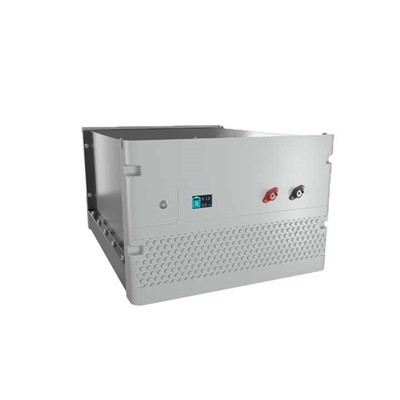
Unveiling the Chemistry and Technical Aspects of LiFePO4 Batteries
LiFePO4 batteries, or Lithium Iron Phosphate batteries, have gained immense popularity in recent years due to their remarkable performance, reliability, and safety. These batteries have found applications in various fields, from powering electric vehicles to renewable energy storage. To truly understand and appreciate LiFePO4 batteries, it's essential to delve into their technical aspects and chemistry.

The Chemistry Behind LiFePO4
LiFePO4 batteries are a type of lithium-ion battery, but what sets them apart is the cathode material - lithium iron phosphate (LiFePO4). This unique choice of cathode material offers several advantages:
Safety: LiFePO4 is highly stable and resistant to thermal runaway, making LiFePO4 batteries inherently safer than other lithium-ion batteries.
High Cycle Life: LiFePO4 batteries can endure a large number of charge and discharge cycles, typically over 2000 cycles, which is considerably higher than other lithium-ion batteries.
Now, let's dive into the chemical reactions that occur during the charge and discharge of LiFePO4 batteries:
Charge Reaction:
At the positive electrode (cathode): LiFePO4 ↔ Li+ + FePO4
During charging, lithium ions (Li+) move from the anode to the cathode, and iron phosphate (FePO4) is oxidized to release the lithium ions.
Discharge Reaction:
At the positive electrode (cathode): LiFePO4 + e- ↔ Li+ + FePO4
During discharging, the lithium ions move from the cathode to the anode, and iron phosphate is reduced, accepting electrons (e-).
Voltage Characteristics
LiFePO4 batteries have a nominal voltage of 3.2 volts, which is significantly lower than other lithium-ion batteries like LiCoO2 (3.7 volts) or LiMn2O4 (3.8 volts). This lower voltage reduces the risk of overcharging and makes these batteries safer.
Charge/Discharge Rates
LiFePO4 batteries have an impressive charge and discharge rate capability. They can handle high charge and discharge currents without significant performance degradation. This makes them ideal for applications where rapid power delivery is required, such as electric vehicles.
Self-Discharge Rates
One of the notable characteristics of LiFePO4 batteries is their low self-discharge rate. They can retain their charge for an extended period without significant losses. This property is crucial in applications like solar energy storage, where the stored energy should be available when needed.
Overall Performance
The chemical stability, high cycle life, and excellent thermal behavior of LiFePO4 batteries contribute to their overall outstanding performance. They are known for their durability, which makes them an excellent choice for applications where long-term reliability is crucial. Furthermore, their ability to maintain performance at various temperatures and their resistance to thermal runaway makes them a preferred choice for electric vehicles.
In conclusion, the chemistry and technical aspects of LiFePO4 batteries make them a fascinating energy storage solution. Their safety, high cycle life, low self-discharge rate, and impressive charge/discharge rates contribute to their overall performance, and their unique cathode material, lithium iron phosphate, plays a pivotal role in ensuring their reliability and safety. These batteries are at the forefront of sustainable energy storage solutions, powering a greener future.