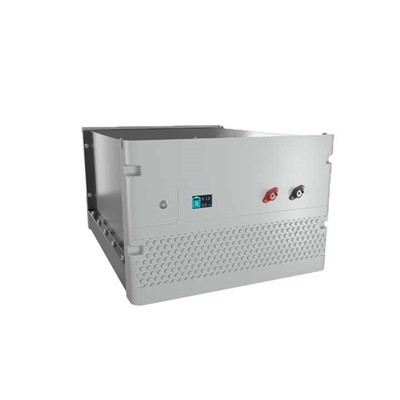
The lithium battery
A battery with lithium as its negative electrode. It is a new type of high - energy battery developed after 60 s. According to the different electrolytes used are divided into: 1, high temperature molten salt lithium battery; 2. Lithium organic electrolyte battery; 3. Inorganic non-aqueous electrolyte lithium battery; 4. Solid electrolyte lithium battery; 5. Lithium water battery. Advantages of lithium batteries are high voltage, high specific energy, long storage life (up to 10 years), high and low temperature performance, can be used at -40 ~ 150℃. The disadvantages are high price and low security. In addition, voltage lag and safety problems need to be improved. The development of power batteries and new cathode materials, especially the development of lithium ferrous phosphate materials, is of great help to the development of lithium electricity.
Reserve batteries
Water-rechargeable batteries can be activated in two ways. One is to store the electrolyte and electrode separately, and then to activate it by injecting the electrolyte into the battery pack before use, such as magnesium seawater battery, reserve chromic acid battery and zinc silver battery, etc.. The other is to use molten salt electrolyte, the electrolyte is not conductive at room temperature, before the use of heating agent will quickly melt the electrolyte and activation, known as a thermal battery. The battery can use calcium, magnesium or lithium alloy as negative electrode, KCl and LiCl's low eutectic as electrolyte, cacRO4.PBSO4 or V2O5 as positive electrode and zirconium or iron powder as heating agent. The whole seal structure can be stored for a long time (more than 10 years).
Standard cell
The best known is the Whiston standard battery, which comes in saturated and unsaturated versions. Its standard electromotive force is 1.01864 volts (20℃). The voltage temperature coefficient of the unsaturated type is about 1/4 that of the saturated type.