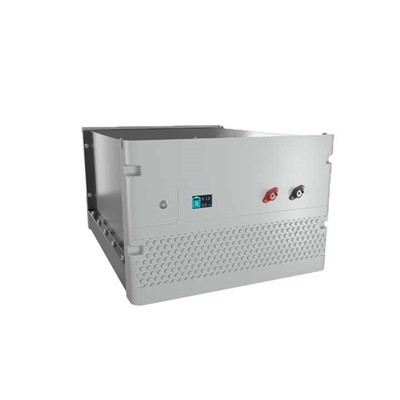
Manufacturing and Production of LiFePO4 Batteries
Lithium Iron Phosphate (LiFePO4) batteries have gained immense popularity in recent years due to their outstanding energy storage capabilities, long cycle life, and enhanced safety features. These batteries are used in various applications, from electric vehicles to renewable energy systems and portable electronics. In this blog, we will delve into the manufacturing process of LiFePO4 batteries, shedding light on key steps and quality control measures that ensure their reliability.

The Basics of LiFePO4 Batteries
LiFePO4 batteries are a type of lithium-ion battery, distinguished by the use of lithium iron phosphate as the cathode material. These batteries offer several advantages over other lithium-ion chemistries, such as a longer lifespan, improved thermal stability, and lower risk of thermal runaway, making them an ideal choice for applications where safety is paramount.
Key Manufacturing Steps
1. Electrode Material Selection
The first critical step in manufacturing LiFePO4 batteries is the selection of high-quality electrode materials. LiFePO4 is used as the cathode material, while graphite is commonly employed as the anode. The quality and purity of these materials significantly impact the battery's performance and safety.
2. Cathode and Anode Preparation
Once the electrode materials are selected, they undergo a series of processes to create the cathode and anode components. This involves mixing the active materials with conductive additives and binders to form a slurry. This slurry is then coated onto metallic foils, dried, and pressed to create the electrode sheets.
3. Cell Assembly
Cell assembly is a critical stage in LiFePO4 battery manufacturing. It involves stacking the cathode and anode sheets, separated by a porous membrane. An electrolyte is added to facilitate ion transport between the cathode and anode. The assembly is then tightly wound or stacked, depending on the cell design, and placed in a cylindrical or prismatic casing.
4. Cell Testing
Quality control is of paramount importance during and after the cell assembly process. Cells undergo a series of tests to ensure they meet performance and safety standards. Key tests include capacity measurements, cycle life tests, and rate capability assessments. Additionally, manufacturers carry out safety tests to verify the battery's response to overcharging, over-discharging, and high temperatures.
5. Formation
The formation process is used to condition the LiFePO4 battery cells. It involves several charge and discharge cycles under controlled conditions, which help stabilize the electrodes and enhance their performance. This step is essential to prepare the cells for actual use.
6. Quality Control Measures
LiFePO4 battery manufacturers implement stringent quality control measures throughout the production process. These measures include continuous monitoring of materials, in-process inspections, and end-of-line testing. Any deviations from the desired specifications can lead to rejection or rework of the cells to ensure consistent quality.
Conclusion
The manufacturing process of LiFePO4 batteries is a precise and complex operation that requires strict adherence to quality control measures. The choice of electrode materials, the preparation of cathode and anode components, cell assembly, testing, and formation are all critical steps that collectively determine the performance, safety, and reliability of these batteries. As LiFePO4 batteries continue to play a crucial role in various industries, manufacturers will continue to refine their processes and advance the technology to meet the growing demand for efficient and sustainable energy storage solutions.