🗝️Key Performance Indicators
When choosing solar lights, the following technical parameters need to be carefully evaluated to ensure they meet your needs.
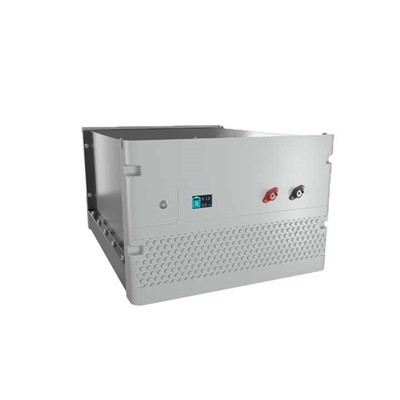
Battery capacity and running time
- Capacity is measured in ampere-hours (Ah) and directly affects the running time of the luminaire
- In cloudy areas, it is recommended to choose a battery with a capacity of 1.5-3 times the normal demand
- Different temperatures need to choose the right type of battery: lithium-ion for low-temperature environments, lead-acid batteries for high-temperature environments
Battery Capacity (Ah)
Light output
- The higher the lumen value, the brighter the light
- Need to consider the even distribution of light, to avoid localized too bright or too dark
- Different application scenarios require different lumen values: path lighting (100-300lm), plaza lighting (1000lm+)
Luminous Flux (lm)
Energy efficiency
- Measured in lumens per watt (lm/W), with higher values indicating better energy efficiency
- High quality LED light source with luminous efficacy up to 100-150lm/W
- Energy-efficient products provide longer lighting times with the same battery capacity
Light Efficiency (lm/w)
Weathering Resistance
- Protection class at least IP65 to ensure dust and water resistance
- Low-temperature-resistant batteries are required for cold regions (can still work below -20°C).
- Coastal areas need to choose materials resistant to salt spray corrosion
Protection Grade (IP65+)


Solar Light Types and Application Scenarios
Different types of solar lights are designed to fulfill specific lighting needs and scenarios.
| Type | Feature | Best application scenarios |
|---|---|---|
| Solar Garden Light | Low brightness, uniform distribution, aesthetic design | Garden paths, sidewalks, patio walks |
| Solar Flood Light | High brightness, wide-angle illumination, strong penetration | Plazas, parking lots, building facades |
| Solar Street Light | High brightness, long life, professional design | Streets, neighborhoods, parks Main Street |

🗣️User Center Evaluation Criteria
Evaluation dimensions from the user's actual usage experience to help choose the most suitable product.
1. Durability
- Lithium batteries usually last 2-3 years, lead-acid batteries 1-2 years
- Select corrosion-resistant materials such as aluminum alloy or stainless steel
- Solar panels can last up to 10 years or more, but need to be cleaned regularly
2. Ease of Installation
- Prefer models that are plug-and-play or have minimal wiring
- Modular design for easy post maintenance and component replacement
- Consider the convenience of mounting height and angle adjustment
3. Night performance
- See user reviews for actual brightness performance
- Concerned about continued uptime after a rainy day
- Whether the sensing function is sensitive, there is no false trigger
4. Extreme Weather Performance
- Large inclination solar panels (≥45°) need to be selected in snowy areas to facilitate snow sliding off
- High-temperature areas require a design that dissipates heat well
- Windy areas need to ensure structural stability and wind resistance
🧑🔬Professional Buying Advice
Additional practical advice from the experts to help you make more informed choices.
- The optimal mounting angle for solar panels is ±15° from the local latitude for maximum insolation
- Consider smart features: remote control, brightness adjustment, timer switch, etc.
- Prioritize designs with replaceable batteries to extend overall service life
- Field trip to see similar products in action before purchase
- Compare product parameters and user reviews of different brands