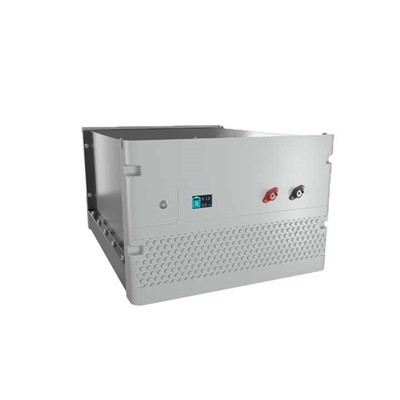
Many households are eager to install solar systems in the face of rising tiered electricity rates, sudden power outages without backup power, low self-consumption rates for standard residential solar systems, and meager returns from feeding surplus electricity into the grid. However, they are stymied by the dilemma of 'generating power they can't use and relying on the grid during outages'. The core issue is the lack of an energy storage solution that is both closed-loop and tailored to residential settings.

How do solar power systems work?
- Residential solar power systems convert sunlight into direct current (DC) via photovoltaic panels, which is then converted into alternating current (AC) for household use by an inverter.
- Our comprehensive micro-storage system solution overcomes the limitations of traditional solar power-which relies heavily on weather conditions and the grid-by storing excess electricity in real time. This enables "generating power during the day and using it around the clock, with stored energy providing a backup during power outages," transforming sunlight into a stable, controllable energy source for the home.
What is the most efficient solar energy system?
The most efficient solar energy system is one that maximizes the conversion of sunlight into electricity. Photovoltaic (PV) panels are currently the most widely used and highest-efficiency solar energy technology. These panels consist of solar cells that convert sunlight directly into electricity. Monocrystalline and polycrystalline panels are the two most common types used in residential installations; the former is more efficient but also more expensive.

How to create solar energy at home: Installing a residential solar system involves the following steps:
Step 1: Site assessment and system design
Comprehensive Analysis of Household Electricity Load
First, collect data on average monthly household electricity consumption, peak usage periods, primary electricity loads, and grid tariff policies, then calculate the alignment between self-consumption needs and energy storage capacity.
On-site Survey and Parameter Calculation for Installation Sites
- Orientation and Sunlight: A true south orientation is preferred; deviations of up to 30° east or west are acceptable. Calculate the local annual sunlight duration and avoid shading caused by trees or buildings.
- Load-Bearing Capacity and Space: Concrete roofs must have a load-bearing capacity of ≥2.5 kN/m². For color-coated steel sheet roofs, verify the load-bearing capacity of the purlins. For balcony installations, prioritize solutions that do not require drilling or additional ballast, avoiding damage to walls.
Step 2: Permits and paperwork
Obtain the Necessary Permits
Check with local government agencies regarding the permits and regulations required for installing a solar system, complete all compliance procedures, and ensure that the system is legally connected to the grid and operates in compliance with regulations.
Step 3: Equipment procurement
Purchase and installation of equipment
Purchase high-quality solar panels, inverters, and storage batteries (if needed) from reliable suppliers. Hire professional solar installers or follow detailed installation instructions to ensure that all components of the solar-storage system are properly matched and operate safely and reliably.
Step 4: Standardized On-Site Installation
Modular, detailed implementation
We strictly adhere to national safety standards for photovoltaic installation, with the energy storage system at the core, to ensure standardized installation of the entire system while balancing power generation efficiency, safety, and service life.
- Mounting and securing the support system
- Installing photovoltaic modules and electrical wiring
- Installation and commissioning of the micro-energy storage system and inverter
Step 5: Inspection and grid connection
Complete a full-system functional validation to ensure that all functions, including power generation, energy storage, grid connection, and backup power, meet the required standards, while ensuring that users are fully familiar with how to operate the system.
- Pre-grid-connection system-wide testing: Ensures that all system parameters comply with design specifications and national standards.
- Coordination for grid-connection acceptance: We work closely with the utility company throughout the process to install bidirectional meters, sign grid-connection agreements, and complete grid-connection commissioning, ensuring that the system properly uploads power generation data and that surplus electricity is settled through the grid.
- One-on-One User Training: Provide on-site demonstrations of the smart energy management system, including how to use the mobile app to view real-time power generation, energy storage levels, electricity load, and cost savings data. Guide users in customizing charging and discharging strategies, and explain basic daily maintenance (such as panel cleaning and system reboots) as well as how to identify fault warnings, ensuring users can operate the system effectively.
Want to say goodbye to electricity bill worries and build your own clean energy microgrid? If you'd like to learn more about home energy storage solutions or solar products, contact us today to receive a free, customized plan for a home solar micro-storage system-turning every ray of sunshine into a reliable source of energy for your household.