With the rapid growth of the photovoltaic (PV) industry, the installed capacity of PV power plants continues to expand, making safety concerns increasingly prominent. The safe operation of a PV power plant is not only crucial for power generation efficiency but also directly impacts equipment lifespan and investment returns. This article explores the key factors affecting the safety of PV power plants from multiple perspectives.
1. Equipment Quality
Equipment quality is the foundation of PV power plant safety. Substandard equipment can lead to severe safety hazards.
1.1 PV Module Quality
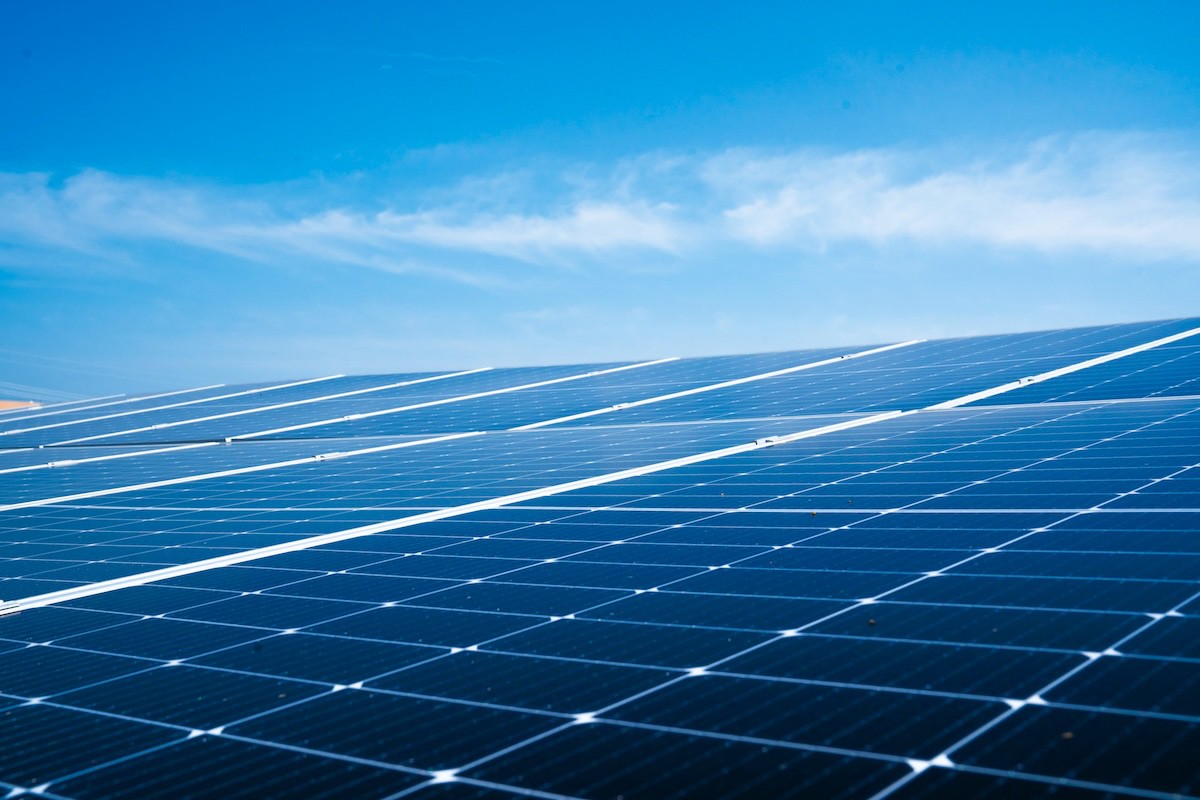
PV modules are the core components of a power plant. High-quality modules undergo strict material selection, advanced manufacturing processes, and superior encapsulation technology, ensuring high weather resistance, corrosion resistance, and mechanical stress tolerance. These characteristics enable the modules to operate stably even in harsh environmental conditions, reducing risks such as breakage and fire hazards. Additionally, high-quality modules have lower failure rates and longer lifespans, minimizing replacement and maintenance costs. In contrast, inferior modules may suffer from hot spot effects, rapid power degradation, or even fire hazards.
1.2 Inverter Quality
The inverter is the key component that converts DC power from PV modules into AC power. Its quality directly affects the overall system's power generation efficiency and operational stability. High-quality inverters are equipped with multiple protection mechanisms, such as overload protection and lightning protection, ensuring safe system operation. However, due to intense market competition, some manufacturers cut costs by omitting essential protective functions, increasing safety risks for PV power plants. Therefore, cost should not be the sole consideration when selecting inverters.
1.3 Mounting Structure and Cable Quality
The PV mounting structure supports the modules and plays a critical role in the stability and durability of the entire system. If the structure is prone to corrosion or lacks sufficient strength, it may collapse under extreme weather conditions. Similarly, PV cables serve as the "arteries" of the system, transmitting power efficiently. High-quality cables have low resistance and high conductivity, with superior insulation materials and protective layers to prevent electrical breakdowns and ensure safe operation. Poor-quality cables with inadequate weather resistance pose significant risks, including electrical fires.

2. System Design and Installation
Proper system design and installation are crucial for the long-term stability and safe operation of a PV power plant.
2.1 Design Deficiencies
Poor system design may result in shading issues, inadequate ventilation, and overheating risks, leading to efficiency losses. Additionally, improper electrical design may cause overvoltage conditions, short circuits, or other failures.
2.2 Installation Issues
Improper installation can lead to loose modules, incorrect wiring, and other electrical hazards. For example, inadequate grounding systems can result in electric shock risks.
2.3 Mitigation Measures
Engage certified and experienced design firms to prevent design flaws.
Employ qualified installation teams to ensure compliance with industry standards.
Verify proper wiring, grounding reliability, and implement lightning and fire protection measures.
Conduct a comprehensive system inspection and commissioning after installation to ensure safe and reliable operation.
3. Operation and Maintenance (O&M) Management
Effective O&M is critical to ensuring the safety of PV power plants.
3.1 Lack of Regular Maintenance
Failure to conduct regular maintenance may result in undetected faults, such as cable aging or loose connections, which can lead to electrical fires.
3.2 Deficiencies in Monitoring Systems
A poorly implemented monitoring system may fail to detect operational abnormalities in real time, such as module failures or inverter shutdowns.
3.3 Human Errors
Improper operation by O&M personnel can lead to safety incidents, such as mishandling electrical switches, causing power system failures.
3.4 Mitigation Measures
Establish a comprehensive O&M management system, including routine inspections and maintenance.
Promptly detect and address faults to eliminate safety risks.
Conduct safety training programs to enhance personnel awareness and operational skills.
4. Environmental Factors
As PV power plants are installed outdoors, environmental factors significantly impact their safety and reliability.
4.1 Extreme Weather Conditions
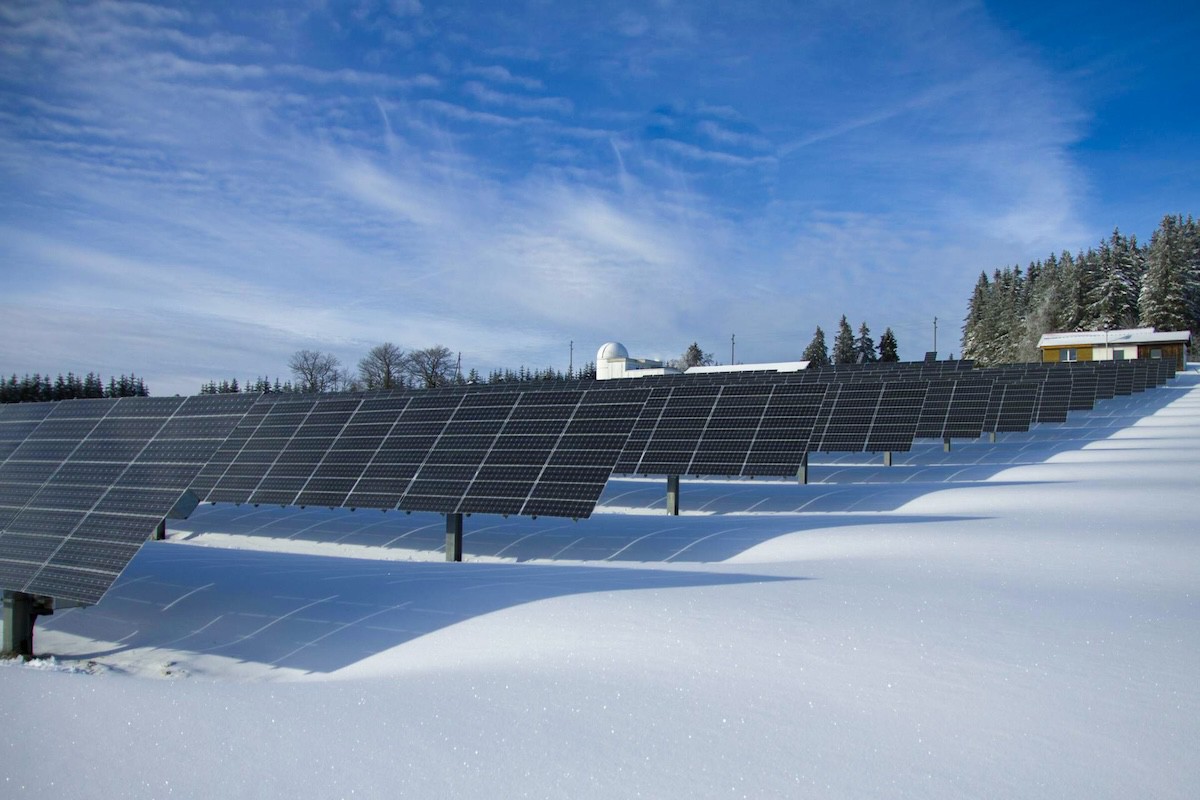
Severe weather events, such as hailstorms, strong winds, heavy rainfall, and snowstorms, can physically damage PV modules, mounting structures, and other critical equipment. For instance, strong winds may cause module detachment, while hail can shatter module surfaces.
4.2 Temperature Variations
High temperatures accelerate equipment aging and degrade module efficiency, whereas low temperatures can make materials brittle, increasing the risk of damage.
4.3 Dust and Contamination
Dust accumulation, bird droppings, and other contaminants on module surfaces reduce power output and can cause localized overheating, leading to potential fire hazards.
4.4 Mitigation Measures
Monitor weather forecasts closely and implement preventive measures accordingly.
Develop comprehensive emergency response plans and conduct regular drills to enhance preparedness.
By addressing these key factors-equipment quality, system design and installation, O&M management, and environmental influences-PV power plants can achieve safer and more reliable long-term operation, maximizing efficiency and investment returns.