Against the backdrop of the energy transition, photovoltaics stand as one of the most critical clean power sources. The lifespan of a PV system directly impacts the payback period and operational maintenance costs. Typical PV module warranties/lifespans commonly range from 25 to 30 years. However, in real-world scenarios, inadequate design, component selection, or maintenance can lead to significant degradation within approximately 20 years. Below are actionable recommendations for PV companies and customers, covering three key dimensions: module selection, installation/system configuration, and operations and maintenance. These guidelines facilitate maximizing long-term power generation and economic returns during the design, procurement, and delivery phases.
1. Module Selection (Product Level: Mitigating Attenuation at the Source)
PV Modules
The lifespan of photovoltaic modules is closely related to their type. Modules made from different materials exhibit significant variations in average lifespan, making the selection of an appropriate module type the first step in extending the system's longevity. To maximize photovoltaic system longevity and performance, prioritize the following when selecting modules:
- Low-degradation modules: Choose products with a ≥25-year linear power warranty, minimal first-year degradation (<2%), and an average annual degradation rate ≤0.5%, as verified by technical datasheets and third-party test reports.
- High-quality materials & construction: Look for low-iron tempered glass, durable backsheets or bifacial glass-glass designs, advanced encapsulation (e.g., POE or improved EVA), and anti-PID features to mitigate microcracks and long-term degradation.
- Robust certification: Prefer modules certified to IEC 61215 (performance) and IEC 61730 (safety), backed by third-party accelerated aging, damp heat, salt spray, and corrosion resistance test reports.
Inverters
The inverter is the core component of a solar battery system, converting DC power from panels to usable AC electricity. A high-performance, durable inverter ensures reliable energy conversion and long-term system reliability.
- Prioritize models with high MTBF ratings and advanced MPPT algorithms for optimal efficiency.
- Ensure adequate ventilation to prevent overheating and prolong lifespan.
- Opt for units with real-time remote monitoring capabilities for proactive system maintenance.
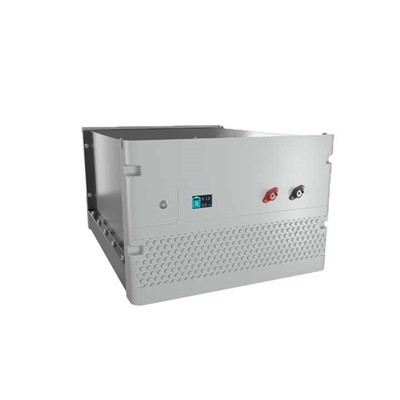
LiFePO₄ Battery
Energy storage is critical for load shifting, peak shaving, and backup power. Reliable storage solutions improve system flexibility and longevity.
- Prioritize LiFePO4 batteries for extended cycle life and thermal stability.
- Follow precise charging protocols to prevent overcharging and deep discharging.
- Maintain battery banks in climate-controlled settings for consistent performance.
2. Installation and System Configuration (Minimizing Human Error)
Proper installation and configuration are key factors in extending the lifespan of photovoltaic systems. The installation angle of components, selection of mounting bracket materials, and system compatibility design directly impact the long-term operational stability of the system.
2.1. Align tilt with regional annual irradiation patterns and dust accumulation trends. Steeper angles (e.g., >30°) enhance self-cleaning in dusty environments but may reduce energy yield in low-light regions. Balance efficiency and maintenance needs. Prioritize south-facing arrays in the Northern Hemisphere (or north in the Southern Hemisphere) for maximum annual irradiation.
2.2. The selection of support materials must consider environmental factors. In coastal areas with high humidity, aluminum alloy supports or stainless steel fasteners are recommended, combined with multi-seal structural designs to effectively prevent salt spray corrosion. In desert regions with sandstorms, brackets must undergo hot-dip galvanization and structural reinforcement to withstand strong winds and sand erosion. In frigid climates, low-temperature resistant materials should be selected alongside freeze-proof drainage systems to prevent snow load damage and frost cracking.
2.3. System compatibility design is equally critical. The inverter capacity should be selected at 1.2 to 1.3 times the load power, prioritizing models with high MPPT efficiency and support for string-based design.
3. Operations and Maintenance (Extending Lifespan Through Monitoring and Prevention)
Even when high-quality components are selected and properly installed, a scientifically sound operation and maintenance strategy remains the key to extending the system's lifespan. Regular cleaning, intelligent monitoring, and preventive maintenance form the three pillars of photovoltaic system operations and maintenance.
3.1. On-demand cleaning strategy: In high-dust/frequent bird droppings environments, establish cleaning frequencies (e.g., every 1–3 months in arid, dusty regions; extend intervals in areas with low dust deposition). Employ appropriate cleaning methods to prevent scratches and damage to encapsulation layers.
3.2. Online Monitoring + Alarm Strategy: Deploy monitoring at the module/string level (or as granular as possible) to track IV curves, power generation trends, and abnormal alarms in real time, enabling early detection of degradation or faults.Regular Visual and Electrical Inspections: Recommended periodic checks: Monthly (appearance/dust accumulation/mounting brackets), Quarterly (cleaning/connection status), Annual (insulation resistance, junction box inspection, current measurement, BMS health check).
3.3.Inverter and BMS Operations and Maintenance: Timely firmware updates for inverters, monitoring operating temperatures and cooling systems; battery systems utilizing chemistry optimized for lifespan and thermal management (e.g., LiFePO₄ typically outperforms certain other chemistries in high cycle life and safety), and controlling charge/discharge strategies (avoiding routine deep discharges or operation under extreme temperatures). Inverters should undergo quarterly inspections for heat dissipation, protection rating, and abnormal IV curves, with a failure rate maintained below 0.5%. Energy storage systems must be equipped with a BMS (Battery Management System) to monitor temperature and SOC, preventing overcharging and over-discharging.

🔋Extending the lifespan of photovoltaic systems not only reduces customers' maintenance and operational costs but also enhances system power generation efficiency and prolongs the investment payback period.
Through scientific component selection, proper installation configuration, and systematic daily operation and maintenance, customers can achieve long-term stable operation of their photovoltaic systems under varying climatic conditions.
☀️As a photovoltaic new energy enterprise, we will continue to monitor the latest advancements in photovoltaic technology, providing customers with superior power generation, storage, and utilization system solutions to help them achieve longer investment return cycles and lower operational costs.